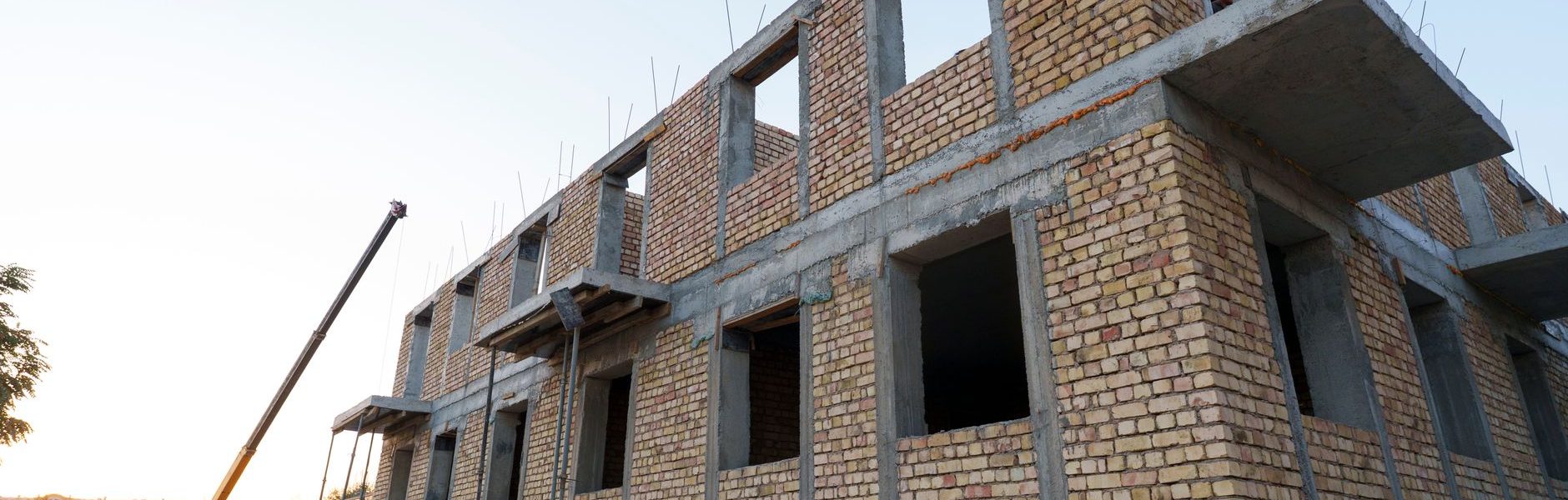

Residential launches 2026 are being delayed as more than 60% of Rehda members hold off on new projects. This trend raises concerns about the future of the housing market.
Current State of Residential Launches
The current state of residential launches in 2026 is marked by uncertainty and caution among developers. Recent reports indicate that more than 60% of members from the Real Estate and Housing Developers’ Association (Rehda) have opted to delay their residential launches for the second half of 2026. This decision stems from various market challenges that have emerged in recent months.
Several factors are contributing to this trend:
- Economic volatility: Fluctuations in the economy have made developers wary of investing in new projects.
- Regulatory hurdles: Increased regulations and approval processes are causing delays in project timelines.
- Market demand: A decrease in buyer sentiment has led to concerns about sales performance for new launches.
As a result, the outlook for residential launches in 2026 remains uncertain, with many developers reassessing their strategies in light of these challenges.
Impact of Delays on Housing Market
The housing market is facing significant challenges as delays continue to impact the timeline for residential launches in 2026. With over 60% of members from the Real Estate and Housing Developers’ Association (Rehda) postponing their projects, the ripple effects are becoming increasingly evident.
These delays are primarily attributed to several factors:
- Regulatory hurdles: Lengthy approval processes are slowing down development timelines.
- Supply chain disruptions: Ongoing issues related to materials and labor shortages are causing setbacks.
- Market uncertainty: Economic fluctuations are leading developers to adopt a more cautious approach.
The postponement of residential launches in 2026 not only affects developers but also potential homeowners, who may face a shortage of available properties in the near future. As these trends continue, the overall health of the housing market remains in jeopardy, prompting calls for urgent intervention to alleviate these challenges.
Rehda’s Insights on Future Trends
The Real Estate and Housing Developers’ Association (Rehda) recently shared crucial insights regarding the future of the residential market in 2026. According to their findings, more than 60% of their members are currently postponing residential launches for the second half of 2026. This trend reflects growing concerns about economic instability and regulatory challenges that could hinder new developments.
Among the factors influencing this decision, Rehda highlighted:
- Rising construction costs: Increased prices for materials and labor are straining budgets.
- Regulatory hurdles: Lengthy approval processes are causing delays and uncertainty.
- Market demand fluctuations: With shifting consumer preferences, developers are wary of investing in new projects.
These insights suggest that the landscape for residential launches in 2026 may be more challenging than initially anticipated, forcing developers to reassess their strategies.
Challenges Facing Developers
The residential launches 2026 are facing a myriad of challenges that are causing significant concern among developers. As the market grapples with economic uncertainties, many developers are pausing their projects to reassess the landscape.
Key challenges include:
- Rising Construction Costs: The surge in material prices has made it difficult for developers to maintain profitability.
- Labor Shortages: A lack of skilled labor has led to delays, further impacting project timelines.
- Regulatory Hurdles: Increasing regulations and stringent zoning laws are complicating the approval process for new developments.
- Market Demand Fluctuations: Unpredictable buyer sentiment is making it hard to gauge the demand for new residential units.
These factors combined have contributed to the decision of over 60% of Rehda members to hold off on launches planned for the second half of 2026, reflecting a cautious approach in an uncertain market.
Predictions for 2026 Residential Market
As the residential market looks towards 2026, several predictions are emerging that could significantly impact residential launches 2026. Experts anticipate a continuation of the sluggish market trend, influenced by various economic factors and consumer sentiment.
Key predictions include:
- Inventory Surplus: With many developers postponing launches, an excess of unsold units may flood the market, leading to increased competition and downward pressure on prices.
- Interest Rates: Rising borrowing costs might deter potential buyers, further complicating the landscape for new residential launches.
- Regulatory Changes: New housing policies could emerge, impacting the feasibility and attractiveness of future developments.
Overall, the outlook for residential launches in 2026 remains cautious as stakeholders navigate these challenging trends and reassess their strategies for success.
The challenges posed by rising interest rates are likely to dampen residential launches 2026, as potential buyers become more hesitant to commit to new properties. Additionally, supply chain disruptions continue to impact construction timelines, further complicating the landscape for residential launches 2026.
Photo by Khusen Rustamov on Pexels
Read the original
Smart Home Products: Best New Launches for Your Home · Siam City Cement Bangladesh: Best Proven Launch Strategy · LXR Hotels India: The Best New Luxury Experience