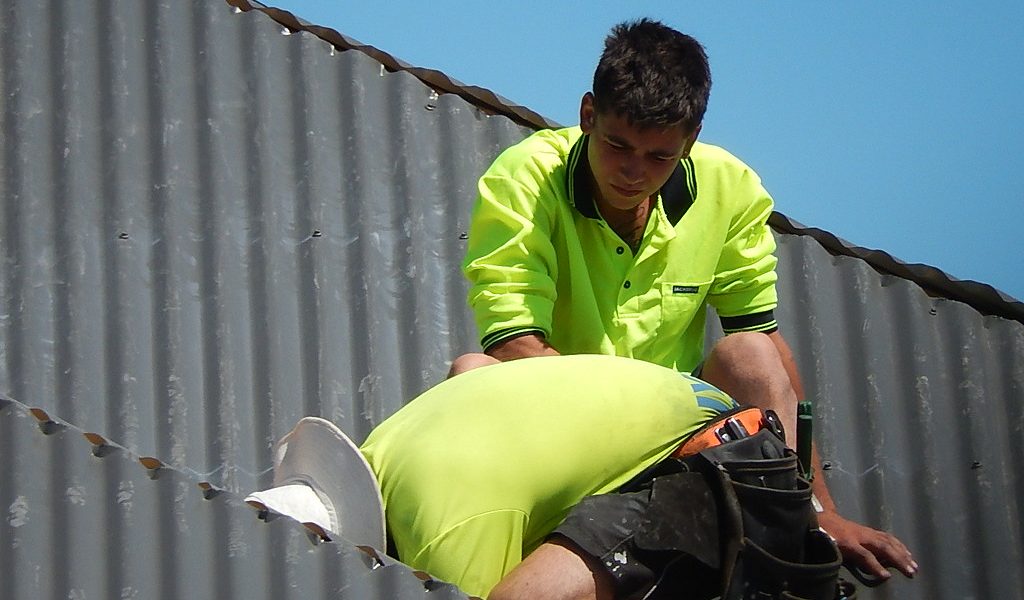

The occupational safety campaign launched by MGM and DSAL aims to enhance health standards in hotels. This initiative focuses on creating safer workplaces for employees and improving guest experiences.
Overview of the Occupational Safety Campaign
The recent launch of the occupational safety campaign by MGM and the Department of Social Affairs and Labor (DSAL) marks a significant step towards enhancing safety standards in the hotel industry. This initiative aims to educate hotel staff about the importance of workplace safety and health practices, ensuring a secure environment for both employees and guests.
The campaign features a series of workshops and training sessions designed to highlight key safety protocols. Participants will gain insights into various aspects of occupational safety, including:
- Identifying potential hazards in the workplace
- Implementing effective safety measures
- Responding to emergencies swiftly and effectively
- Using personal protective equipment correctly
In addition to these training sessions, the campaign will provide resources and materials that hotels can utilize to improve their safety practices. By fostering a culture of safety, this campaign seeks not only to comply with regulations but also to create a more productive and positive working environment.
The occupational safety campaign represents a proactive approach to tackling safety issues in the hospitality sector, ultimately aiming to reduce accidents and improve overall employee well-being. As hotels adopt these proven tips, the benefits will extend beyond compliance, enhancing the reputation of establishments committed to the safety of their workforce.
Importance of Safety in the Hotel Industry
In the hotel industry, the importance of safety cannot be overstated. With a diverse range of activities and a high volume of guests, hotels face unique challenges that require a robust approach to occupational safety. An effective occupational safety campaign not only protects employees but also enhances guest experiences, instilling confidence and trust in the establishment.
Ensuring a safe working environment helps to reduce workplace accidents, which can lead to significant financial losses and damage to a hotel’s reputation. Furthermore, maintaining high safety standards promotes employee satisfaction and retention, as workers feel valued and secure in their roles.
The hotel’s commitment to safety can also influence customer choices. Guests are increasingly aware of safety practices and prefer establishments that prioritize the well-being of both staff and patrons. As a result, hotels that implement comprehensive safety measures may see an increase in repeat business and positive reviews.
Key elements of an effective safety strategy in hotels include:
- Regular training sessions for staff on emergency procedures and safety protocols.
- Routine safety audits to identify and mitigate potential hazards.
- Clear communication of safety policies to both employees and guests.
By prioritizing safety, hotels can create a secure environment that benefits everyone involved.
How MGM and DSAL are Leading the Way
MGM Resorts International and the Department of State Administration and Labor (DSAL) are at the forefront of the occupational safety campaign, implementing effective strategies to enhance safety in the hospitality sector. Their collaborative efforts are aimed at fostering a safer work environment for hotel employees across the nation.
As part of their initiative, MGM and DSAL have introduced a series of workshops and seminars designed to educate hotel staff about best practices in workplace safety. These sessions focus on practical skills and strategies that can be easily integrated into daily operations.
Key elements of the campaign include:
- Training Programs: Comprehensive training sessions covering emergency response, hazard identification, and proper equipment use.
- Safety Audits: Regular assessments of hotel operations to identify potential safety risks and implement corrective measures.
- Employee Involvement: Engaging staff in safety discussions and encouraging them to report unsafe conditions.
- Resource Distribution: Providing informative materials and resources that reinforce safety protocols and procedures.
Through these efforts, MGM and DSAL are not only enhancing safety standards but also promoting a culture of safety that prioritizes the well-being of all employees in the hotel industry.
Key Strategies for Implementing Safety Measures
Implementing effective safety measures is crucial for the success of any occupational safety campaign in the hotel industry. Here are some key strategies that hotels can adopt to enhance their safety protocols:
- Conduct Regular Training: Ensuring that all staff members participate in regular safety training sessions can significantly reduce workplace accidents. These sessions should cover emergency procedures, proper equipment handling, and health protocols.
- Develop Comprehensive Safety Policies: Creating clear and detailed safety policies is essential. These policies should outline procedures for various scenarios, such as fire emergencies, medical incidents, and hazardous material handling.
- Utilize Technology: Incorporating technology in safety measures can streamline processes and improve response times. For instance, using mobile apps for incident reporting can help staff communicate more effectively.
- Engage Employees: Encouraging employees to actively participate in safety discussions fosters a culture of safety. Employees should feel empowered to share their concerns and suggest improvements.
- Regular Safety Audits: Conducting frequent safety audits allows hotels to identify potential hazards and areas for improvement. These audits should be thorough and involve staff from various departments.
By implementing these strategies, hotels can strengthen their commitment to an occupational safety campaign and ensure a safer environment for both staff and guests.
Impact on Employee Health and Guest Satisfaction
The recent occupational safety campaign launched by MGM and DSAL has significant implications for both employee health and guest satisfaction in the hotel industry. By prioritizing safety, hotels can create a healthier work environment that not only protects staff but also enhances the overall experience for guests.
Employees who feel safe and valued are more likely to be engaged and productive. A focus on safety reduces workplace accidents, leading to fewer injuries and illnesses. This positively affects staff morale, leading to lower turnover rates and a more experienced workforce. In turn, a skilled team can provide better service, contributing to higher guest satisfaction.
- Reduced Incidents: Implementing safety measures minimizes the likelihood of accidents, ensuring a secure environment for both guests and staff.
- Improved Well-Being: Healthier employees can perform their duties more effectively, leading to better service and guest interactions.
- Positive Reputation: Hotels that prioritize safety are often viewed more favorably by potential guests, enhancing brand loyalty.
Furthermore, when guests perceive that a hotel values safety, it fosters trust and encourages repeat visits. The long-term benefits of the occupational safety campaign can thus lead to a thriving business, where employee welfare aligns seamlessly with guest satisfaction.
Future of Occupational Safety in Hotels
The future of occupational safety in hotels hinges on continuous improvement and adaptation to emerging challenges. As the hospitality industry evolves, so too must the strategies employed to ensure the well-being of employees and guests alike. The recent occupational safety campaign launched by MGM and DSAL sets a precedent for what can be achieved when the industry collaborates towards a common goal.
One promising trend is the integration of technology into safety protocols. Hotels are increasingly leveraging advanced tools such as artificial intelligence and data analytics to monitor safety compliance and identify potential hazards in real time. This proactive approach not only enhances safety measures but also fosters a culture of accountability among staff.
Moreover, training programs are expected to become more comprehensive, incorporating virtual reality (VR) simulations that allow employees to experience and respond to various safety scenarios. Such innovative training methods can significantly improve retention rates and prepare staff for real-world challenges.
Additionally, the focus on mental health is likely to gain traction, with hotels implementing measures to support employees’ psychological well-being. A safe work environment is not solely about physical safety; it includes fostering a supportive atmosphere that prioritizes mental health.
As the industry embraces these changes, the commitment to occupational safety will not only enhance operational efficiency but also strengthen guest trust and loyalty.
Conclusion and Next Steps
In conclusion, the recent occupational safety campaign launched by MGM and DSAL underscores the critical need for safety standards in the hotel industry. As discussed, implementing effective safety measures not only enhances employee well-being but also significantly improves guest satisfaction. By prioritizing safety, hotels can create a more secure environment, ultimately leading to increased operational success.
As hotels move forward, it is essential to adopt the proven strategies outlined in this campaign. These strategies include:
- Regular safety training for all staff members.
- Routine inspections and audits to ensure compliance with safety protocols.
- Encouraging a culture of safety where employees feel empowered to report hazards.
- Investing in safety equipment and technology that enhances workplace safety.
- Engaging with guests to communicate safety measures in place.
As the hotel industry evolves, the future of occupational safety will likely involve more innovative approaches, including the use of technology for real-time monitoring and reporting of safety issues. Hotel management should remain proactive, adapting to emerging challenges and continuously seeking improvements in safety practices.
By committing to these next steps, hotels can not only protect their employees and guests but also set a benchmark for safety standards within the industry.
Implementing an effective occupational safety campaign can significantly reduce accidents in the hospitality industry. Hotels that prioritize an occupational safety campaign not only protect their employees but also enhance their reputation among guests.
By mikecogh via Openverse
Where this came from