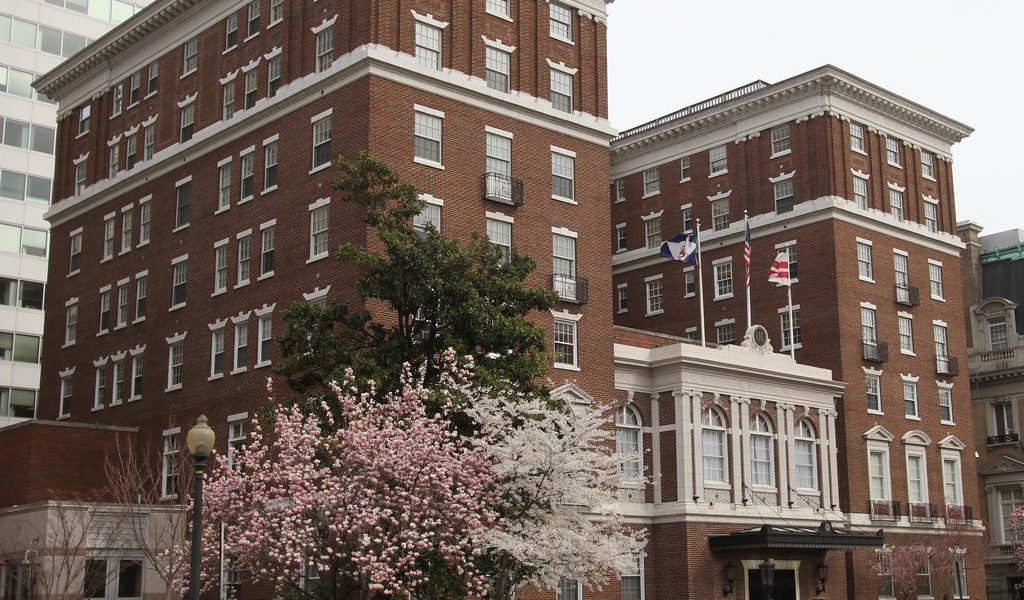

Home price growth is being challenged as inflation continues to rise, creating uncertainty in the real estate market. This article explores the implications for buyers and sellers alike.
Understanding Home Price Growth Trends
Home price growth has been a significant topic of discussion as inflation rates continue to rise. Understanding the trends in home prices is crucial for buyers and investors alike. Recent reports indicate that home price growth has been outpaced by inflation, causing concern among homeowners and potential buyers.
Several factors contribute to this phenomenon:
- Supply and Demand: Limited housing supply has kept prices elevated despite rising costs.
- Interest Rates: Increasing mortgage rates can dampen demand, potentially slowing home price growth.
- Wages vs. Inflation: Stagnant wage growth in comparison to inflation can limit purchasing power.
- Market Sentiment: Consumer confidence plays a crucial role in the housing market, influencing home price trends.
As inflation persists, the dynamics of home price growth may shift further, impacting the decisions of buyers and sellers in the market. It is essential for stakeholders to stay informed about these trends to navigate the complexities of the current housing landscape.
The Role of Inflation in Real Estate
Inflation has emerged as a significant factor influencing home price growth in recent years. As the cost of living rises, potential homebuyers face increased financial pressure, making homeownership more challenging. This scenario creates a complex dynamic in the real estate market, where rising prices can deter buyers while simultaneously pushing existing homeowners to reassess their investments.
Several key aspects illustrate the role of inflation in real estate:
- Increased Construction Costs: Higher prices for materials and labor can lead to increased home prices, which may further limit the availability of affordable housing.
- Interest Rates: To combat inflation, central banks may raise interest rates, impacting mortgage rates and ultimately affecting home price growth.
- Consumer Confidence: When inflation is high, consumer sentiment can wane, leading to a slowdown in home purchases and a potential cooling of the market.
As inflation continues to rise, understanding its implications on home price growth becomes essential for both buyers and sellers navigating the ever-evolving real estate landscape.
Current Market Analysis
The current real estate market is experiencing significant changes as home price growth struggles to keep pace with rising inflation. Recent reports indicate that while demand for housing remains strong, the economic pressures are leading to a shift in buyer behavior.
Several factors are contributing to this dynamic:
- Interest Rates: Increased mortgage rates have made home financing more expensive, causing potential buyers to reconsider their purchase plans.
- Supply Chain Issues: Ongoing challenges in the construction industry have led to delays and increased costs, further straining home availability.
- Wage Stagnation: Although some sectors have seen wage increases, many buyers are finding it difficult to keep up with the pace of home price growth.
As a result, the housing market is witnessing a slowdown in price appreciation, prompting analysts to predict a more balanced environment ahead. Buyers are now more cautious, weighing their options carefully as inflation continues to impact overall affordability.
Tips for Buyers in a Changing Market
As home price growth continues to be influenced by rising inflation, prospective buyers must adapt their strategies in this evolving market. Here are some tips to consider:
- Stay Informed: Regularly monitor market trends and economic indicators. Understanding the broader implications of inflation can help you make more informed decisions.
- Get Pre-Approved: Secure a mortgage pre-approval to strengthen your position in negotiations. This can also help you understand your budget in the context of rising home prices.
- Be Flexible: Consider expanding your search parameters. Areas that were previously out of reach may become more affordable as market conditions change.
- Invest in Value: Focus on properties that have potential for appreciation, even in a climate of home price growth. Look for features that can enhance resale value.
- Work with Professionals: Partner with real estate agents who have a deep understanding of local markets and can provide valuable insights during the buying process.
By following these tips, buyers can navigate the complexities of the current real estate landscape more effectively.
Future Predictions for Home Prices
As inflation continues to impact the economy, experts are closely monitoring future predictions for home prices. The interplay between rising costs and home price growth is creating a complex landscape for buyers and investors alike.
Analysts suggest that several factors will influence home prices in the coming months:
- Interest Rates: If the Federal Reserve continues to raise interest rates to combat inflation, borrowing costs may increase, potentially slowing down home price growth.
- Supply Chain Issues: Ongoing disruptions in supply chains could lead to higher construction costs, which may limit the availability of new homes and keep prices elevated.
- Consumer Confidence: A decline in consumer confidence due to economic uncertainty could dampen demand, leading to a potential stabilization in home prices.
While predictions vary, the consensus is that home price growth may slow, but significant declines are not anticipated. Buyers should remain vigilant and adaptable as market conditions continue to evolve.
By dbking via Openverse
Where this came from
Related reading