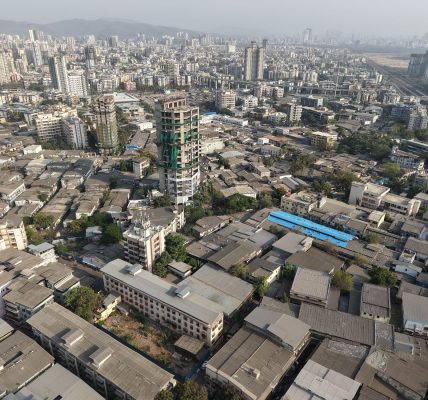
The Sabarmati to Yamuna project is a transformative initiative aimed at improving urban infrastructure. This project marks the first phase of development in the current term, focusing on connectivity and sustainability.
Overview of the Sabarmati to Yamuna Project
The Sabarmati to Yamuna project is an ambitious initiative aimed at enhancing connectivity and infrastructure across key regions in India. This project is designed to transform the existing transportation network, making it more efficient and accessible for all. The first phase of the project is set to be implemented during the current governmental term, highlighting its significance in the overall development strategy.
Key features of the project include:
- Improved Transportation: Establishing seamless links between the Sabarmati River and the Yamuna River.
- Economic Growth: Boosting trade and commerce by facilitating quicker movement of goods.
- Environmental Considerations: Incorporating sustainable practices to protect local ecosystems.
- Community Benefits: Enhancing local infrastructure, including roads and public transport systems.
As the project progresses, it is expected to bring significant benefits to both urban and rural areas, contributing to India’s overall growth and development.
Key Features of the Infrastructure Plan
The Sabarmati to Yamuna project is designed to enhance connectivity and promote sustainable urban development. Here are some of the key features of this ambitious infrastructure plan:
- Seamless Connectivity: The project aims to create a direct transport link between the Sabarmati Riverfront and the Yamuna River, significantly reducing travel time.
- Green Spaces: Incorporation of parks and recreational areas along the route will promote biodiversity and provide residents with much-needed green spaces.
- Smart Technology: Integration of smart traffic management systems to improve traffic flow and enhance safety for commuters.
- Public Transport Enhancement: Development of dedicated bus lanes and cycle tracks to encourage the use of public transport and reduce vehicle emissions.
- Community Engagement: Involving local communities in the planning process to ensure that the infrastructure meets their needs and expectations.
These features not only aim to improve infrastructure but also to foster sustainable urban growth across regions.
Expected Benefits for Local Communities
The Sabarmati to Yamuna project is poised to bring substantial benefits to local communities along its route. With enhanced connectivity and improved infrastructure, residents can expect a range of positive changes in their daily lives.
- Economic Growth: The project is likely to stimulate local economies by attracting businesses and creating job opportunities.
- Improved Transportation: Enhanced roads and transit systems will facilitate easier access to markets and services, making daily commutes more efficient.
- Environmental Benefits: The initiative aims to incorporate green spaces and sustainable practices, promoting a healthier living environment.
- Community Engagement: Local stakeholders have been included in the planning process, ensuring that the needs and concerns of residents are addressed.
Overall, the Sabarmati to Yamuna project is not just about infrastructure; it is about fostering community resilience and enhancing the quality of life for those it serves.
Timeline for Project Completion
The Sabarmati to Yamuna project aims to enhance connectivity and infrastructure across several regions, with a well-defined timeline for completion. The project is structured in phases to ensure timely execution and effective resource management.
The first phase is expected to commence in early 2024 and will focus on the initial groundwork, including land acquisition and environmental assessments. Key milestones include:
- Phase 1 Completion: Targeted for mid-2025, this phase will lay the foundation for subsequent developments.
- Phase 2 Development: Slated for late 2025, this phase will incorporate advanced infrastructure and technology.
- Final Phase Launch: Anticipated by early 2026, this will finalize the project with all major construction and integration.
By adhering to this timeline, stakeholders aim to ensure that the Sabarmati to Yamuna project is completed within the current term, benefiting local communities and enhancing regional connectivity.
Funding and Investment Details
The funding and investment details of the Sabarmati to Yamuna project have been a focal point for stakeholders and investors alike. Various government bodies, alongside private investors, are expected to contribute significantly to the financial backing of this ambitious infrastructure plan.
According to sources, the estimated cost of the first phase stands at approximately ₹5,000 crore. This phase aims to establish critical connectivity and improve transportation efficiency between the two rivers.
Investment will be sourced through multiple channels, including:
- Government Grants: Allocations from state and central government budgets.
- Public-Private Partnerships: Collaborations with private firms for operational efficiency.
- International Funding: Potential loans and grants from international development agencies.
These diverse funding sources are crucial for ensuring the project’s timely execution and long-term sustainability.
Challenges Facing the Project
The Sabarmati to Yamuna project faces several challenges that could impact its successful implementation. Key issues include:
- Land Acquisition: Securing the necessary land for development has proven to be a contentious issue, with some landowners resisting relocation.
- Environmental Concerns: The project must navigate strict environmental regulations to minimize ecological impact, causing potential delays in progress.
- Funding Allocation: While investment details have been outlined, ensuring consistent funding throughout the project’s lifecycle remains a concern.
- Infrastructure Coordination: Integrating existing infrastructure with new developments presents logistical challenges that require careful planning and collaboration among agencies.
- Public Support: Gaining and maintaining local community support is crucial; any dissatisfaction could lead to protests or legal challenges.
Addressing these challenges effectively will be essential for the overall success of the Sabarmati to Yamuna project, ensuring it meets its objectives while benefiting local communities.
Future Phases of Development
The Sabarmati to Yamuna project is poised for significant future phases of development that aim to enhance connectivity and infrastructure across multiple regions. Following the successful implementation of the initial phase, planners are focusing on several key areas for expansion.
- Phase Two: This phase will include the construction of additional transportation links to further integrate the cities along the route.
- Phase Three: Aimed at environmental sustainability, this phase will incorporate green spaces and eco-friendly transit options.
- Community Engagement: Future phases will prioritize community involvement to ensure that local needs are met and cultural heritage is preserved.
- Smart Technology: The integration of smart technologies for traffic management and infrastructure maintenance will be a hallmark of the later stages.
With these developments, the Sabarmati to Yamuna project is set to transform urban landscapes and improve the quality of life for residents, paving the way for a more connected future.
Where this came from
Home Construction Partnership: Proven Expansion Strategy · Apartment Prices Ho Chi Minh City: Smart Trends to Watch · Is Ashutosh Gautam’s Appointment the Best Move for NBCC?