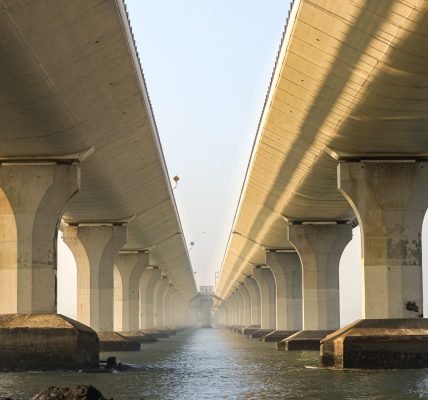
Infrastructure Disputes Resolution: Proven Ways to Ensure Project Success

infrastructure disputes resolution is essential to ensure projects run smoothly. Chief Justice Surya Kant emphasizes the importance of contracts and institutions in preventing escalation of conflicts.
Understanding Infrastructure Disputes
Infrastructure disputes often arise due to a variety of factors, including miscommunication, contract ambiguities, and unforeseen site conditions. These conflicts can significantly hinder project timelines and budgets, leading to substantial financial repercussions.
To effectively manage these disputes, it is essential for all parties involved to have a clear understanding of their contractual obligations. This not only includes the terms of the contract but also the processes in place for dispute resolution. A proactive approach can prevent conflicts from escalating and ensure that projects remain on track.
Incorporating structured dispute resolution mechanisms within contracts can facilitate timely and cost-effective solutions. Some proven methods include:
- Mediation: An informal process that encourages negotiation between parties.
- Arbitration: A more formal process where an independent arbitrator makes binding decisions.
- Collaborative problem-solving: Bringing all stakeholders together to address issues before they escalate.
By prioritizing infrastructure disputes resolution, stakeholders can promote a smoother project execution and minimize delays.
Key Factors in Dispute Resolution
Effective infrastructure disputes resolution hinges on several key factors that can significantly influence the outcome of a project. These factors include:
- Clear Contractual Framework: A well-defined contract that outlines roles, responsibilities, and expectations can prevent misunderstandings and conflicts.
- Open Communication: Regular dialogue among stakeholders fosters transparency and can help in addressing potential disputes before they escalate.
- Skilled Mediators: Utilizing experienced mediators can facilitate dialogue and encourage collaborative problem-solving between disputing parties.
- Timely Intervention: Early identification of issues and prompt action can mitigate disputes, ensuring they do not disrupt project timelines.
- Adaptability: Being flexible and open to alternative dispute resolution mechanisms, such as arbitration or negotiation, can lead to quicker and more amicable solutions.
By focusing on these factors, stakeholders can enhance their approach to infrastructure disputes resolution and promote the successful completion of projects.
Infrastructure Disputes Resolution Strategies
Addressing infrastructure disputes resolution effectively is crucial for maintaining project timelines and budgets. Implementing proven strategies can significantly mitigate conflicts and foster collaboration among stakeholders.
- Clear Contractual Terms: Establishing comprehensive contracts that outline responsibilities, timelines, and penalties can help prevent misunderstandings.
- Regular Communication: Encouraging open channels of communication among all parties involved can promptly address potential issues before they escalate.
- Mediation and Arbitration: Utilizing alternative dispute resolution methods, such as mediation or arbitration, can provide a quicker and less adversarial way to resolve conflicts.
- Engagement of Experts: Involving industry experts during the planning and execution phases can help identify potential areas of dispute and establish best practices.
- Continuous Training: Regular training sessions for project teams on conflict resolution techniques can empower them to handle disputes more effectively.
By prioritizing these strategies, stakeholders can enhance the infrastructure disputes resolution process, leading to successful project outcomes.
Role of Contracts in Projects
Contracts play a critical role in the successful execution of infrastructure projects. They serve as the foundational agreements between parties, outlining responsibilities, expectations, and the mechanisms for resolving disputes. In the context of infrastructure disputes resolution, a well-drafted contract can significantly mitigate risks and provide clarity in the face of disagreements.
Key elements that should be included in contracts to prevent escalation of disputes include:
- Clear Scope of Work: Defining the project deliverables and timelines helps avoid misunderstandings.
- Dispute Resolution Mechanisms: Establishing procedures such as mediation or arbitration can streamline resolution processes.
- Change Management Procedures: Clearly outlining how changes to the project are to be handled minimizes potential conflicts.
- Performance Bonds: These financial guarantees ensure that parties fulfill their contractual obligations.
By focusing on these aspects, stakeholders can create a solid contractual framework that not only anticipates potential disputes but also provides effective pathways for resolution, thus enhancing overall project success.
Impact of Legal Institutions
The role of legal institutions in the realm of infrastructure disputes resolution is critical for ensuring project success and maintaining stability within the industry. Effective legal frameworks and institutions are essential to prevent disputes from escalating and disrupting vital infrastructure projects.
According to Chief Justice Surya Kant, the collaboration between contracts and legal institutions is paramount in managing conflicts. Key impacts include:
- Timely Interventions: Legal institutions can provide timely resolutions to conflicts, minimizing delays in project timelines.
- Predictability: A robust legal framework offers predictability, allowing stakeholders to navigate potential disputes with confidence.
- Resource Allocation: Efficient dispute resolution mechanisms help in the optimal allocation of resources, preventing wastage and ensuring project continuity.
- Trust Building: Strong legal institutions foster trust among stakeholders, encouraging investment and collaboration in infrastructure development.
Ultimately, a well-functioning legal system serves as a backbone for successful infrastructure projects, facilitating effective disputes resolution and promoting sustainable growth.
Best Practices for Project Management
Effective project management is crucial for mitigating the risks associated with infrastructure disputes resolution. Here are some best practices that can help ensure project success:
- Clear Communication: Establishing open lines of communication among all stakeholders is essential. Regular updates and discussions can prevent misunderstandings that may lead to disputes.
- Defined Roles and Responsibilities: Clearly outlining each party’s roles can help reduce ambiguity and enhance accountability, minimizing the potential for conflict.
- Comprehensive Planning: A thorough project plan that includes risk assessments and contingency strategies is vital. This proactive approach can help address potential issues before they escalate.
- Continuous Monitoring: Regularly reviewing project progress allows for the early identification of potential disputes, enabling timely resolution efforts.
- Stakeholder Engagement: Involving all relevant stakeholders in decision-making processes fosters collaboration and reduces the likelihood of disputes arising.
By implementing these best practices, project managers can significantly enhance their ability to navigate infrastructure disputes resolution effectively.
Photo by Alex Green on Pexels
Where this came from
Related reading