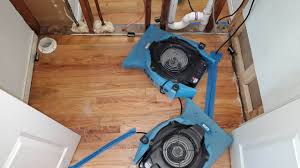

A wet room can look simple after standing water is gone, but the rental choice still has to account for carpet edges, lower wall areas, storage contents, power access and how long the space can stay closed off. For Barrie property owners, the sharper question is dust near the drying zone: that detail helps separate water removal, airflow, humidity control, filtration and follow-up checking before any rental is booked. A useful next move is separating clean-water drying from unknown-water cleanup, then checking how the room responds.
Start with the local moisture problem
City of Barrie drains and sewers guidance helps keep the discussion grounded in property risk rather than turning it into a rental catalogue. That makes fast extraction, airflow and humidity control useful after the immediate source of water is stopped and safety issues are handled. A small commercial suite that needs drying without turning the space into a construction zone can look manageable once the surface water is gone, especially in a finished basement rec room, but the slower problem may be the wall base behind shelving. In practical terms, using filtration as a separate decision from drying gives the renter a clearer way to evaluate the first run time.
For a Barrie reader, the first sorting question is whether the job is about water removal, surface airflow, humidity control, air filtration or moisture checking. Those are different jobs. A fan can move air, but it does not remove water held in carpet; a dehumidifier can lower airborne moisture, but it cannot fix blocked airflow. A good rental plan starts with recording what was wet before furniture is moved back. This is where marking damp edges with painter’s tape before equipment arrives connects the equipment choice to the room.
That early sorting also helps readers who are not restoration technicians. Notes about where water entered, which materials were affected, and whether the room can be isolated will make any supplier conversation more specific. In this case, the detail to keep in view is odour returning when equipment is paused, especially while lifting contents before air movers are aimed, because it can decide whether a simple rental is enough or whether the plan needs another step. A practical rental plan treats stored contents blocking the wall base as a setup detail rather than a cleanup footnote.
Match the rental to what is still wet
General rental counters and restoration suppliers organize the category differently, which is why the decision should focus on job fit rather than supplier labels. Broad rental paths may emphasize pickup convenience, while restoration-oriented paths emphasize drying categories. The practical tension is between renting quickly and renting the right category of machine. In plain terms, drying equipment belongs in the plan only if it solves the current bottleneck. If water is still pooled or held in carpet, extraction comes before drying; if the room is closed and humid, dehumidification matters; if dust is part of the work, filtration may deserve its own decision. That matters here because occupied-room noise during run time may change the next rental step.
The mistake is treating every damp room as a fan problem. Air movement works when wet surfaces are exposed and the air has somewhere to carry moisture. In this version of the job, the placement issue is the material-safety question, so keeping cords away from wet walking paths matters more than simply adding another machine. The plan should stay tied to the condition around the airflow path across the wet surface instead of reducing the job to room size.
It is also worth separating comfort from drying. A room can feel breezy and still have wet materials, and a warmer room can still carry too much humidity. More useful signs include whether the concern around occupied-room noise during run time has been addressed, whether odours fade after run time, and whether treating odour as a clue rather than proof is changing the affected surfaces rather than only the open middle of the room. The safer assumption is to revisit the corner outside the direct airflow path before the room is reset.
Criteria that matter before price
The best rental question is often narrower than expected: what condition needs to change first? For this situation, dry-side power access near the equipment path is the detail that keeps price from being the only comparison. Those details determine whether the rental should prioritize extraction, air movement, dehumidification, filtration or moisture inspection. A rental plan that accounts for cool carpet edges after extraction is easier to adjust after the first run time.
- Material: carpet, concrete, drywall, trim and contents dry differently.
- Moisture load: visible water, damp air and hidden wet edges require different tools.
- Placement: equipment should account for the material-safety question, not simply point toward the doorway.
- Run time: a short rental works only when the problem is already controlled.
- Safety: contaminated water, electrical risk and swollen materials change the plan.
Where a drying-specific rental page fits
For a more equipment-specific reference, use review the drying equipment option for Barrie to compare the category against broader rental paths. That helps when the question is whether odour returning when equipment is paused changes the order. Reviewing the plan before adding more machines gives the first few hours of run time a clearer purpose.
That distinction matters in Barrie because a rental order should reflect the actual sequence of work. A small clean-water spill may need a different setup than a storage room with cardboard boxes with the corner outside the direct airflow path. The practical check is to look at the need for a second inspection before reset before leaving access to panels, drains and shutoffs.
The decision should stay cautious when water quality, electrical safety or hidden cavities are uncertain. Equipment can support drying, but it cannot turn an unsafe cleanup into a simple rental job. The simplest plan is often the most defensible: remove water, open surfaces, move air, control humidity and recheck. The plan is stronger when opening the airflow path instead of crowding one corner is treated as part of setup.
If the first inspection points in another direction, review the portable dehumidifier option for Barrie can be checked separately. A separate look at a portable dehumidifier makes sense when the room note points to the flooring edge beside the baseboard and the next practical step is recording what was wet before furniture is moved back. That keeps attention on the condition of the materials while the equipment is running.
Questions to ask before booking
Why not start with the largest fan available?
A larger fan does not solve trapped water, blocked airflow or high humidity by itself. The right starting point is separating clean-water drying from unknown-water cleanup because that tells the renter what condition must change first. The point is to see whether planning pickup or delivery around equipment size changes the affected material, not just the room feel.
When should a renter stop and call for help?
Escalate when water may be contaminated, electricity is affected, structural materials are swollen, moisture may be inside walls, or the condition around the need for a second inspection before reset is not improving after a reasonable drying window. That keeps the decision tied to the room instead of to a generic equipment list.
In Barrie, the rental choice should leave a simple record of what changed. Note the equipment used, the wet material it was meant to address, and whether dust near the drying zone still needs attention after recording what was wet before furniture is moved back. A careful renter keeps the plan adjustable because wet rooms rarely dry evenly. For this scenario, asking what would make the rental plan fail keeps the plan from drifting into guesswork.